

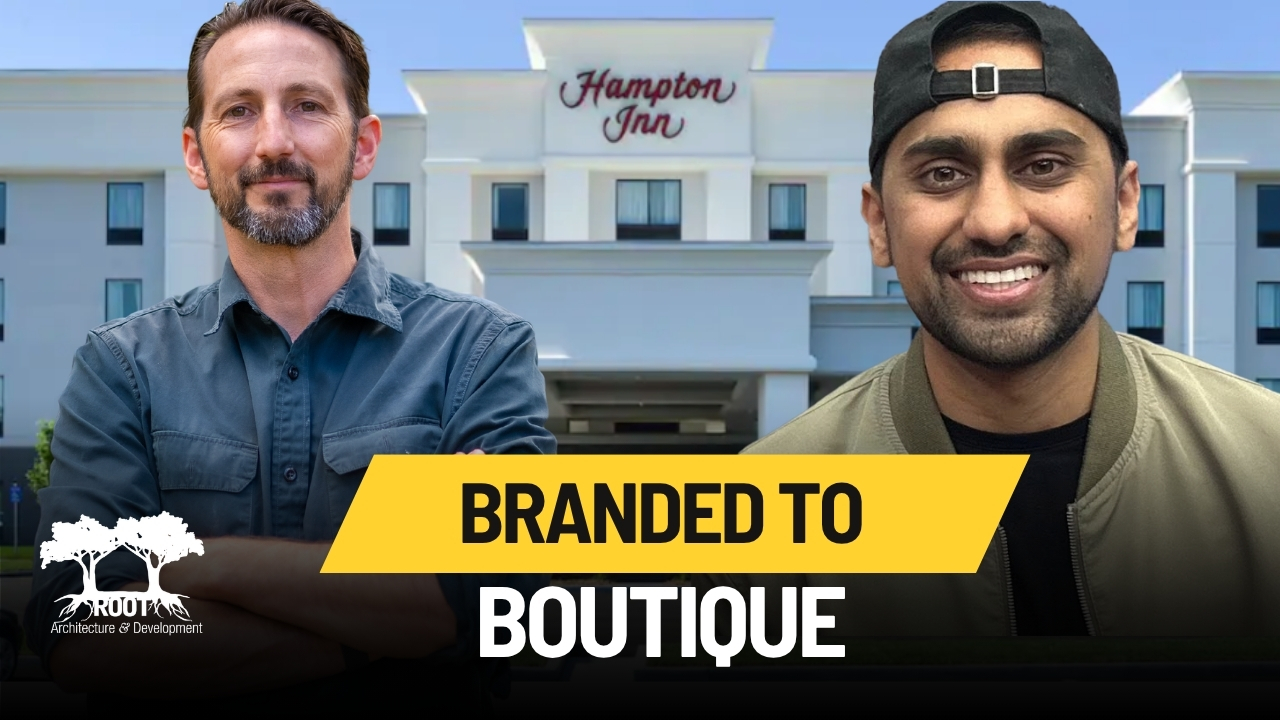
Most hospitality entrepreneurs start with short-term rentals.
They master revenue management, guest experience, and direct bookings before eventually scaling into boutique hotels. It is a common progression that has shaped much of today's hospitality landscape.
But Sujay Mehta took the opposite route. Instead of growing up through vacation rentals and boutique properties, he built his foundation in branded hotels first. Today, as he shifts toward experiential hospitality and boutique resorts, that background is influencing every decision he makes.
The result is a perspective that combines creativity with operational discipline, community-building with corporate strategy, and vision with execution.
Why the Transition Matters
As Sujay Mehta explained, his company has spent years operating branded hotel assets before making a deliberate move into boutique hospitality. While branded properties continue to be part of the portfolio, the excitement today comes from creating experiences instead of simply providing rooms.
That shift reflects a broader trend across hospitality.
Travelers increasingly want more than a place to sleep. They are looking for memorable environments, local culture, unique amenities, and experiences that feel authentic. Boutique hotels have become the answer for many guests seeking something more meaningful than a standardized stay.
Yet Mehta approaches the opportunity differently because he has spent years understanding how large hotel systems actually function.
Seeing Demand Beyond Leisure Travelers
One of the biggest distinctions between operators coming from short-term rentals and operators coming from hotels is how they think about demand.
Many boutique hotel owners focus heavily on leisure travelers. Their marketing strategy often revolves around social media, destination appeal, influencer content, and guest experience.
Those strategies matter, but Mehta sees another layer.
Years operating branded hotels taught him to look beyond vacation demand and into corporate business travel.
When a company like Amazon builds a new warehouse, hundreds of workers may need temporary accommodations. Utility companies mobilizing crews after storms need rooms. Construction projects, manufacturing expansions, and regional employers all generate lodging demand that never shows up on Instagram.
Capturing that business requires relationships, sales systems, broker networks, and operational infrastructure.
It requires a completely different playbook.
That hotel mindset allows boutique properties to diversify revenue sources and avoid becoming overly dependent on seasonal leisure traffic.
The Hidden Advantage of Hotel Experience
One of the recurring themes throughout the conversation was operational knowledge.
Boutique hospitality is often celebrated for design, branding, and guest experience. Those elements matter, but operators still have to solve practical problems every day.
Maintenance issues happen.
Staffing challenges arise.
Equipment fails.
Unexpected expenses appear.
Mehta shared an example where a third-party management company presented a repair proposal exceeding $40,000. After personally leveraging his network and relationships, he secured the same solution for a fraction of the cost. The lesson was simple: nobody cares about your property as much as you do.
That philosophy comes directly from years spent operating hotels rather than simply investing in them.
Understanding the details of staffing, maintenance, sales, and operations creates a competitive advantage that compounds over time.
Boutique Hotels as Business Ecosystems
Another notable insight from the conversation was the way Mehta thinks about boutique hospitality.
Rather than viewing a hotel as a collection of guest rooms, he sees it as a platform for multiple revenue streams.
Room revenue remains important, but boutique properties create opportunities to layer additional experiences:
- Food and beverage partnerships
- Wine programs
- Merchandise
- Events
- Wellness offerings
- Membership programs
- Local experiences
Each element creates both guest value and revenue potential.
This thinking is especially evident in one of his current projects, a large hospitality destination in Central Ohio that combines an operating golf course, vineyard, winery, restaurant, boutique hotel, spa, event venue, and private members club.
Rather than relying on a single source of income, the project is designed as an ecosystem where multiple experiences support one another.
Building Community, Not Just Occupancy
Perhaps the most interesting concept discussed was the role of private social clubs.
For Mehta, these spaces are not simply amenities. They are community infrastructure.
The goal is to create places where entrepreneurs, investors, creators, and leaders can gather, build relationships, exchange ideas, and collaborate.
That mindset reflects a broader shift happening throughout hospitality.
The most successful properties today are increasingly becoming community hubs rather than transactional businesses.
Guests want connection.
Members want belonging.
Operators who understand how to facilitate both have an opportunity to create something much more valuable than a hotel room.

https://bloom.ventures/portfolio/hampton-inn-middletown?itemId=38rxx8fr3sblgfo27ds5u1nl0p50p0
Why Columbus, Ohio Is Part of the Strategy
Another major takeaway from the discussion was Sujay's conviction about Central Ohio.
Although many investors chase opportunities across the country, he has become increasingly focused on deepening investments in his home market.
Large-scale developments, including the massive Intel semiconductor project and subsequent corporate investment throughout the region, continue to bring growth to the area.
Just as important, local expertise creates an advantage.
Knowing contractors, understanding permitting processes, tracking local demand drivers, and leveraging long-term relationships all improve execution.
For hospitality operators, scale is not only about acquiring more properties. Sometimes scale comes from going deeper into a market you know better than anyone else.
The Bigger Lesson
What makes Mehta's story compelling is not simply that he is moving into boutique hospitality.
It is that he is bringing hotel discipline into a space often dominated by design and creativity.
His background provides a deeper understanding of operations, corporate demand, revenue optimization, staffing, and long-term portfolio management.
While many operators are learning hotel fundamentals after entering boutique hospitality, Mehta is applying years of hotel experience to create more experiential, community-driven destinations.
It is a different path.
And in hospitality, sometimes the most valuable perspective comes from approaching the industry from the opposite direction.
Listen to the full conversation with Mehta on the Radical Hospitality Show to hear how he is blending traditional hotel operations with experiential hospitality, community building, and large-scale development across the Midwest.
Ready to Bring Your Dream Project to Life?
Whether you're planning a stunning hospitality space or the perfect home, our expertise in innovative design and tailored solutions ensures your vision becomes reality. Let’s discuss how we can make your project exceptional.
Book your free 30 minute consultation today and take the first step toward your ideal project!